

When it comes to home renovations, one question homeowners ask is: “Do I need planning permission to move my front door?” While it might seem like a simple adjustment, moving your front door can have significant implications depending on your property type, local regulations, and whether your home is listed or in a conservation area. In this blog post, we’ll explore everything you need to know about moving your front door, including rules, exceptions, and how you can choose the perfect door for your home.
Planning permission is a formal approval from your local council that allows you to carry out building work on your property. Not all home improvements require planning permission, but certain changes, especially those affecting the structure or appearance of your property, often do.
Moving a front door is considered a structural alteration because it changes the façade and the layout of your home.
If your home is a listed building or located in a conservation area, you will almost certainly need planning permission. These designations are intended to protect the historical and architectural integrity of buildings and neighbourhoods. Altering a front door in such areas can affect the character of the property, so councils scrutinise changes closely.
Even minor alterations, such as moving a door by a few inches or changing its design, might require listed building consent. It’s always best to check with your local planning authority before starting work.
For modern homes, the need for planning permission can vary based on the property type:
In the UK, permitted development rights allow certain improvements without needing full planning permission. Unfortunately, moving a front door usually falls outside permitted development, particularly if it changes the appearance of the property from the street.
However, minor changes, such as replacing an existing door with a similar design in the same opening, typically do not require planning permission.
If you’re considering moving your front door, here’s a step-by-step approach to make the process smoother:
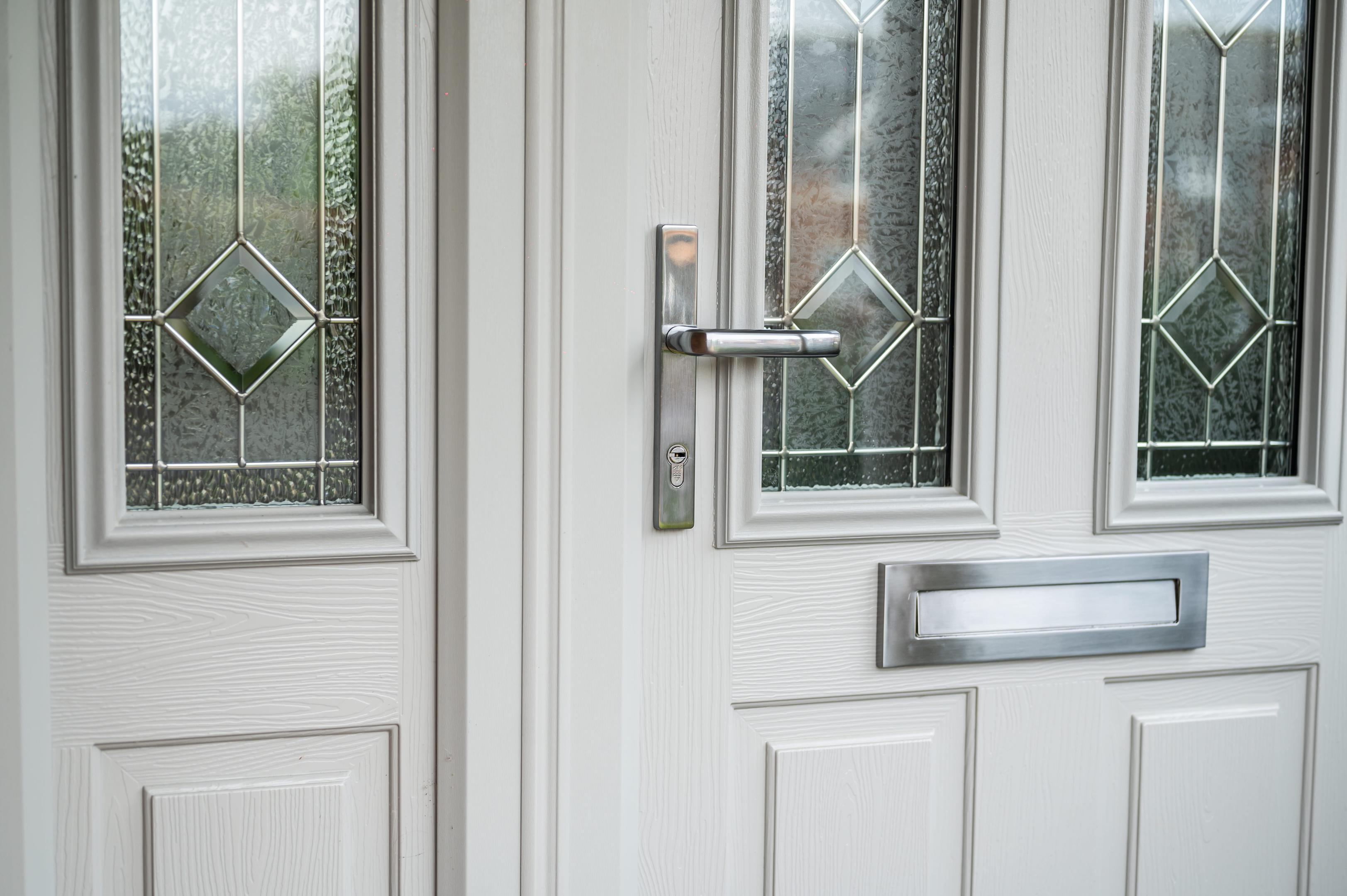
Once you’ve cleared the legal and structural hurdles, it’s time to focus on your front door. At UK Doors Online, we offer a wide range of front doors to suit any style and budget. Whether you’re looking for something classic, contemporary, or highly secure, we have options to match your vision.
Composite doors are made from a combination of materials, offering the best of all worlds:
These doors are ideal if you want a high-quality door that looks premium without the ongoing maintenance required for traditional wooden doors.
uPVC doors are another popular choice, particularly for modern homes. These doors are made from unplasticised polyvinyl chloride, which is lightweight, durable, and resistant to rot and corrosion. Benefits include:
At UK Doors Online, we make it easy to design your perfect front door from the comfort of your home. Our online design tool lets you:
This ensures that your new front door complements your home’s style perfectly.
The answer depends on your property type, location, and whether it’s listed or in a conservation area. While minor replacements often don’t require approval, moving the door to a new location usually does. Always check with your local council and comply with building regulations to avoid costly mistakes.
Once you’re ready to choose your door, UK Doors Online offers a wide selection of doors that you can customise and design online. Whether you want a traditional look, a modern finish, or maximum security, we have options to transform your home’s entrance. Start designing online below and create the perfect first impression for your property.
If you’ve been researching aluminium windows and doors, you’ve probably come across the term thermal break. It’s a feature...
Large windows have become one of the most desirable features in modern homes, offering uninterrupted views, an abundance of...