

A wobbly door handle can be more than just a minor annoyance – it’s often the first sign of a deteriorating door mechanism that could lead to more serious issues if left unaddressed. A loose door handle starts as a minor annoyance but can lead to significant issues, such as being unable to open or close a door, if not addressed promptly. Whether you’re dealing with a loose lever, a spinning knob, or a handle that’s completely come off, this comprehensive guide will walk you through the process of diagnosing and repairing various door handle problems. We’ll cover everything from basic tightening techniques to more complex repairs, ensuring your entryways remain secure and functional.
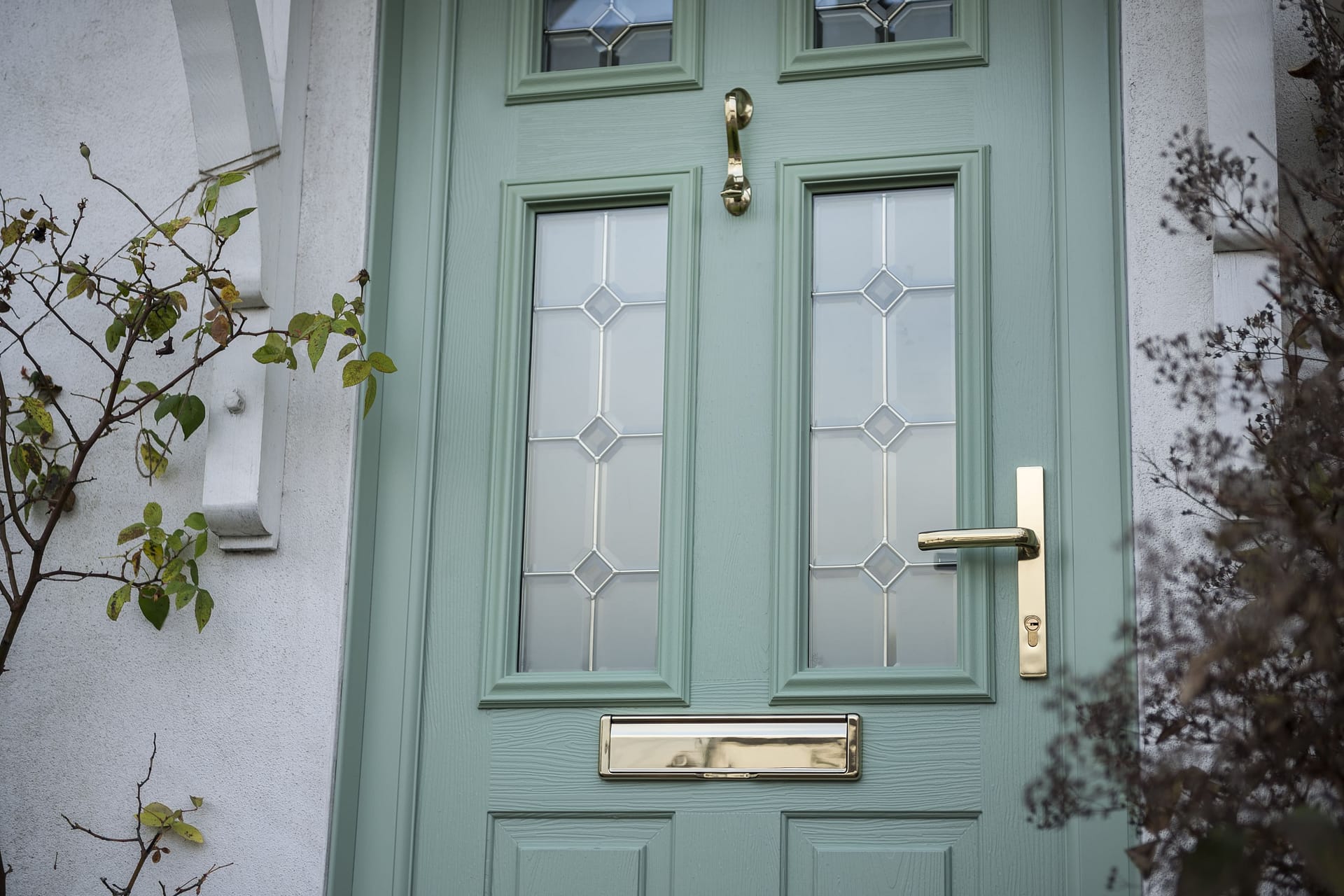
Before diving into repairs, it’s crucial to understand the basic components of a door handle assembly. This knowledge will help you identify the source of the problem and choose the appropriate fix.
A typical door handle consists of several key parts:
Door handles can become loose due to various factors:
Understanding these potential causes will help you pinpoint the issue and apply the most effective solution.
Before you begin any repair work, gather the following tools and materials:
Having these items on hand will ensure you’re prepared for various repair scenarios.
The first step in fixing a loose door handle is to accurately diagnose the issue. Here’s how to assess the problem:
Begin by closely examining the handle and surrounding area:
Next, test the handle’s movement:
Determine whether you have a lever-style handle or a doorknob, as the repair process may differ slightly between these types. Identifying door knobs is crucial, especially when addressing a loose door knob, as it can affect both functionality and security.
In many cases, a loose door handle can be fixed with some simple tightening. Here’s how to approach this:
For handles with exposed screws:
1. Locate the screws on the faceplate or handle base
2. Use the appropriate screwdriver to tighten each screw
3. Be careful not to over-tighten, as this can strip the screw or damage the door
Some handles have concealed screws. To access these:
If the screw holes have become enlarged:
1. Remove the handle and screws
2. Fill the hole with wood filler or insert toothpicks with wood glue
3. Allow the filler to dry completely
4. Reinsert the screws, ensuring a tight fit
Lever handles may require specific attention due to their design. Addressing a loose lever door and loose lever door handle is crucial to prevent further loosening and potential usability problems. Follow these steps:
If the lever feels misaligned:
1. Remove the handle from the door
2. Inspect the spindle and ensure it’s properly seated
3. Reattach the handle, making sure it aligns correctly with the latch mechanism
Many lever handles have a set screw that secures them to the spindle:
1. Locate the set screw, usually on the handle’s underside
2. Use an Allen wrench to tighten the screw
3. Test the handle to ensure it’s secure
If the spindle is loose or damaged:
1. Remove both interior and exterior handles
2. Inspect the spindle for wear or damage
3. Replace the spindle if necessary, ensuring it’s the correct size and type for your door
Doorknobs may present unique challenges. A well-maintained door knob is essential for both security and convenience. Here’s how to address common issues:
For a wobbling doorknob:
1. Remove the knob from the door
2. Tighten any visible screws on the rose (the decorative base)
3. Check the spindle connection and tighten if necessary
4. Reassemble the doorknob, ensuring all components are snug
If the knob spins freely without engaging the latch:
1. Disassemble the doorknob
2. Inspect the spindle and latch for damage
3. Replace any worn or broken parts
4. Reassemble, making sure the spindle engages properly with the latch mechanism
When the knob doesn’t line up correctly:
1. Loosen the mounting screws slightly
2. Adjust the position of the knob assembly
3. Retighten the screws while holding the knob in the correct position
Sometimes, a loose handle is symptomatic of a faulty latch mechanism. Here’s how to address this:
A sticky latch can cause handle problems:
1. Apply a small amount of lubricating oil to the latch bolt
2. Work the handle several times to distribute the lubricant
3. Wipe away any excess oil
If the latch doesn’t engage properly:
1. Check the alignment of the strike plate on the door frame
2. Loosen the screws and adjust the plate’s position if necessary
3. Retighten the screws and test the door’s operation
For a severely worn latch:
1. Remove the handle and faceplate
2. Extract the old latch mechanism
3. Insert a new latch of the same size and type
4. Reassemble the handle and test thoroughly
To avoid future issues with loose door handles, consider these preventative measures:
Visually inspect all door handles in your home monthly. Test for any looseness or unusual movement and address minor issues promptly before they worsen.
Avoid pulling or pushing doors by the handle alone. Teach household members to turn handles fully before opening doors and discourage hanging items on door handles
Lubricate moving parts every 6-12 months, using a silicone-based lubricant for best results.
Sometimes, replacement is the best option. Consider a new handle if:
While many door handle issues can be resolved with DIY methods, some situations may require professional assistance.
If your door handle is part of an integrated security system, consult a professional to avoid compromising your home’s safety.
When loose handles are a symptom of more significant door problems, a door specialist may be needed.
A well-functioning door handle is essential for the security and convenience of your home. By understanding the mechanics of door handles, regularly inspecting them, and addressing issues promptly, you can ensure that your entryways remain smooth and reliable.
Here at UK Doors Online, all of our doors are manufactured with engineering-grade hardware to ensure smooth operation at all times. We prioritise durability and precision in every product we create, so you can trust that your doors will perform flawlessly for years to come. Whether you’re upgrading your home or working on a commercial project, our high-quality doors provide unmatched reliability. Explore our range today by designing online below or find out more about becoming a trade partner with us.
If you’ve been researching aluminium windows and doors, you’ve probably come across the term thermal break. It’s a feature...
Large windows have become one of the most desirable features in modern homes, offering uninterrupted views, an abundance of...