

When renovating or building a home, many homeowners focus on selecting the perfect door style, material, and colour. However, one crucial element often gets overlooked in this process – the door cill. This seemingly minor component plays a significant role in your entryway’s functionality, durability, and performance. This comprehensive guide explores everything you need to know about door cills, their importance, and how to select the right one for your home.
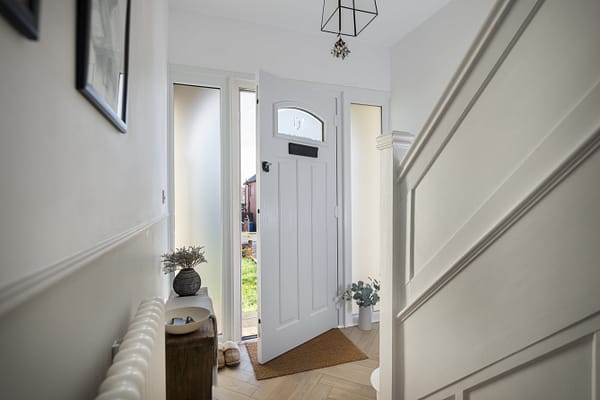
A door cill is a horizontal ledge that sits at the bottom of your door frame, creating a smooth transition between your home’s interior and exterior. This weatherproof barrier serves as a protective seal against various external elements.
The primary function of a door cill is to create a weather-tight seal at the base of your door. It works in conjunction with the door threshold to prevent water infiltration, block drafts, and keep debris from entering your home.
In the context of doors and windows, “cill” is actually the more commonly used spelling in the UK construction and fenestration industry, even though “sill” is the standard English spelling. Both terms refer to the same part—the bottom section of a door or window frame that helps with water runoff and weather sealing.
One of the most important functions of a door cill is to protect your home from weather-related damage. The cill creates a barrier that prevents rainwater from seeping under the door and into your home. This is particularly crucial during heavy downpours or in areas prone to flooding.
Without a proper cill, water can infiltrate your home, potentially causing damage to flooring, subfloors, and even the door frame itself. Over time, this moisture intrusion can lead to rot, mould growth, and structural issues that may require costly repairs.
Door cills play a significant role in your home’s thermal performance by creating an additional seal against air leakage. This helps maintain consistent indoor temperatures and reduces the workload on your heating and cooling systems.
During winter months, a properly installed door cill prevents cold drafts from entering your home through gaps at the bottom of the door. Similarly, in summer, it helps keep cool air inside and hot air outside. This improved insulation can lead to noticeable reductions in energy consumption and utility bills.
An often-overlooked benefit of door cills is their role in keeping unwanted pests out of your home. The tight seal created by a properly installed cill eliminates gaps that might otherwise allow insects, rodents, and other small creatures to enter.
This pest prevention function is particularly valuable during seasonal changes when many creatures seek shelter indoors.
Choosing the correct size and profile for your door cill is essential for optimal performance. The width of the cill should match or slightly exceed the width of your door frame to ensure proper coverage and protection.
The height or projection of the cill is another important consideration. This measurement determines how far the cill extends beyond the face of the door. Larger projections provide better water runoff but may not be suitable for all installations, particularly in areas with limited space.
Ensuring compatibility between your door cill and door type is essential for proper function and longevity. Different door materials and styles may require specific cill designs to create an effective seal and provide adequate support.
For composite doors, manufacturers often recommend uPVC cills designed to work seamlessly with these door systems. These compatible options ensure proper sealing and maintain the door’s energy efficiency benefits.
Aluminium doors often work best with aluminium cills that match or complement the door material. This pairing creates a cohesive look while providing the necessary weather protection and structural support.
A door threshold is the strip or plate located at the bottom of a door frame that provides a seal between the interior and exterior, helping to prevent drafts, water ingress, and dirt from entering a building. It often includes a raised section to form a weather-resistant barrier and may be made from aluminium or uPVC. In contrast, a door cill is typically a more substantial external component that sits beneath the door frame, sloping away from the building to direct rainwater away from the entrance. While thresholds focus on sealing and accessibility, cills are primarily designed for drainage and structural support beneath the door.
Door cills may be a small component of your entryway, but their impact on functionality, energy efficiency, and home protection is significant. While not every door absolutely requires a cill, the benefits they provide make them a worthwhile investment for most properties.
Whether you’re installing a new door or upgrading an existing entryway, we’re here to help. At UK Doors Online, we offer expert guidance and a wide range of high-quality door cills to suit any style or specification.
From sleek aluminium options to durable uPVC cills, our products are designed to provide the perfect finishing touch while ensuring long-term performance and weather resistance. With nationwide delivery, fast lead times, and a team of specialists ready to support you, we make it easy to complete your project with confidence. Get in touch today on sales@ukdoorsonline.co.uk to find out more.
If you’ve been researching aluminium windows and doors, you’ve probably come across the term thermal break. It’s a feature...
Large windows have become one of the most desirable features in modern homes, offering uninterrupted views, an abundance of...