

If you live near a busy road or even in a lively town centre, unwanted noise can quickly become one of the biggest frustrations in your home. Constant traffic, loud neighbours, or late-night activity can affect sleep, concentration, and overall comfort. But what are the best windows for noise reduction? In this guide, we’ll explore how noise reduction windows work and which perform best.
One of the most effective solutions for reducing external noise is acoustic glass. Unlike standard glazing, acoustic glass is specially engineered to block and absorb sound vibrations before they enter the property.
Acoustic glazing usually has a laminated interlayer that helps dampen sound waves. This technology is particularly effective in homes located near busy roads, train lines, airports, schools, or city centres where external noise levels are consistently high.
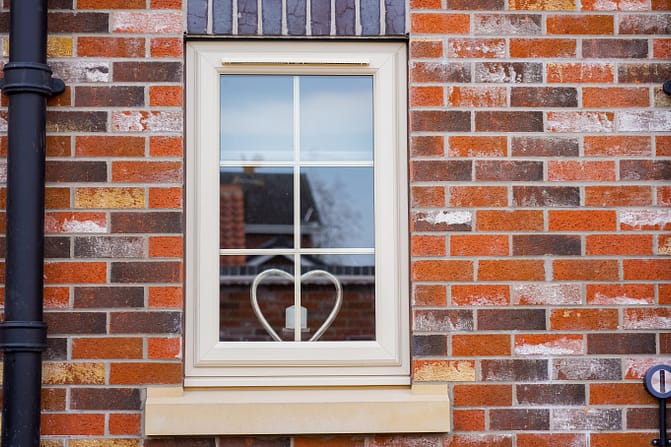
A common question homeowners ask is whether double glazing or triple glazing is better for soundproofing.
Modern double glazing already offers a noticeable improvement over single glazed windows because the two panes of glass and insulating gap help reduce sound transmission.
Triple glazing introduces a third pane of glass. While this can improve energy efficiency, it does not automatically guarantee significantly better sound reduction. In many cases, high-quality acoustic double glazing can outperform standard triple glazing because noise reduction depends more on the glass composition rather than simply adding another pane.
The type of glazing you choose has a much greater impact on acoustic performance than the window style itself. Modern windows are typically manufactured with advanced sealing systems and multi-point locking mechanisms, meaning most high-quality window styles can achieve excellent airtightness and sound reduction.
The overall performance of a window will also depend on factors such as the quality of installation, the frame materials, and ensuring the unit is properly sealed around the edges to prevent sound leakage. This is why professional installation is just as important as the window specification itself.
The material used for the window frame can also influence acoustic performance.
uPVC windows remain one of the most popular choices for noise reduction because they provide excellent insulation and strong sealing performance. Their multi-chambered frame design helps minimise both heat loss and sound transmission while requiring very little maintenance.
Modern aluminium windows have also improved considerably in recent years, providing excellent sound reduction while maintaining their sleek appearance.
Although windows play a major role in sound insulation, other improvements around the home can also help reduce unwanted noise. Upgrading old doors, improving wall insulation and sealing gaps around the property can all contribute to a quieter living space.
When combined with high-quality acoustic windows, these measures can make a substantial difference in reducing external noise levels throughout the home.
At UK Doors Online, we supply a wide range of high-quality windows that homeowners and installers love. We understand how important a quiet and comfortable home is, which is why we offer advanced glazing options, including acoustic glass, designed to help reduce unwanted external noise.
Whether you’re looking for modern uPVC windows or sleek aluminium frames, we provide reliable products that are easy to install and built to perform. To find out more, drop us an email on sales@ukdoorsonline.co.uk.
If you’ve been researching aluminium windows and doors, you’ve probably come across the term thermal break. It’s a feature...
Large windows have become one of the most desirable features in modern homes, offering uninterrupted views, an abundance of...
Excellent service from Megan & all the team. Delivered early (lead time was already market leading) at my request. These guys are a credit to the industry!
Rob S
My fitter was very impressed with the quality of the locks, handles and roller system and when i told him the price, he was even more impressed! We couldn’t be more pleased with the quality, price and smooth transaction, from ordering to installation. Well done guys, great to find proper service from a UK online manufacturer.
Tony Tosh Brooks
I have been most impressed with their pricing, guidance & advice from the outset of the sale right through to installation and completion. If I ever need similar goods in the future, I would only be making one call. I thoroughly recommend UK Doors Online.
Stephen
Fabulous products and customer service. Delivery was quicker than other companies and on the promised day. I would recommend this company to anyone. Six Stars.
Jean Cornish
I have recently bought 3 pane bi-fold doors and replacement glass for my previous doors. The door fitters I used praised the quality of the doors for many reasons. I would like the thank the customer service I received through the quotation, ordering and delivery process. I would recommend UKDoors online to anyone in the future.
Robert Johnston
Despite a period of high demand, UK Doors Online offered a short lead time for aluminium bifold doors, which they honoured to the day they initially scheduled for delivery.
Ross Keiderling
Everything from start to finish I was happy with, bifolds windows and a bespoke window were all ordered and made to high quality, couldnt be happier. Megan in customer service was on hand to answer any questions and the delivery team let me know the day when it would be delivered. Highly recommended.
John
Great service with the personal touch. From the on-line quote to delivery, UK Doors Online have provided an excellent product and service. Queries – both phone calls and emails – were promptly answered and accompanying assembly instructions very clear.
Nigel Matthew
One of the best customer care experiences I’ve ever had- nothing is too much trouble, went above and beyond, and super friendly, speedy communication. The price of the doors was also excellent. Thank you to the whole team!
Laura
4 panel bifold doors ordered and delivered in the 3 week stated timeframe and prove to be well fitted, elegant and robust with a fine finish. Would definitely recommend.
Noel Harris
We deal with UK doors online, at least once a month, for the last 3 years or so. From the staff on phone to the guys doing the deliveries the service is great. Any issues are resolved in a great timely manner. 100% wouldn’t go anywhere else for our bifolds, windows and composite doors.
Martin Wrigley
This is our first time using ukdoorsonline and I must say that it has been a pleasure, very easy ordering and the whole process from order to delivery was like clockwork as a small business the service we got from this company was exceptional. 100% will be using them again and again, thank you all at ukdoorsonline.
Ratree Thorn
Exceptional, very helpful from start to finish. Saved me around £3.5K if I’d have ordered them from a general firm. Well worth it.
Dominic Renshaw
Excellent product! Got a made-to-measure price that was extremely reasonable, quick delivery, and the French doors look great. Highly recommend.
Jan Ellis
The customer service from ukdoorsonline has been second to none. Their doors are beautiful, strong and hardwearing. I would 100% absolutely recommend them to family, friends and anyone looking for great doors.
Dawn
Delivery was great and on time, quality of the doors excellent. Highly recommend.
Jon Mohajer
A+++ quality product, great value and excellent customer service. Had an excellent experience purchasing bifold doors and window with integrated blinds from UK Doors Online. Dealt with Paul who was lovely – friendly, helpful and knowledgeable. I’m delighted with my new doors and window. Will definitely use UK Doors Online again.
Sarah Harries
Really great doors, fantastic value and great customer support.
Dicky Moore
Great service and exceptional quality doors as always
Wo-man Cave Ltd
Friendly and straightforward process, prompt delivery, Megan was a superstar!
Fi
great service, just great response in general really good to deal with
Mike Bowker
I found this company online, and I have to say from the first interactions through to the last they were without doubt one of the most professional, dedicated and helpful companies I have ever dealt with.. very well priced and exceptional service. I would recommend them to anybody.
Matthew Booth
UK Doors online were excellent, they delivered exactly what they said they would when they said they would. I would highly recommend!
Simon Chivers
Great service. Knowledgable on the phone, good price, lots of communication about when order coming. Delivery was bang on time. Reccomend.
Matthew Simpson
Excellent service, great price, from quotation to delivery very smooth stress free service.
Great communication from all the staff and the delivery driver very polite and professional. All round great company to do business with.
Thanks, Z
Zed
Excellent service from beginning to end. Meg was on the ball with everything and very friendly fair play to her, very polite girl. And as for the delivery, another 10/10 . Daz was very friendly and helpful and was on time. Very happy. Thank you
Osian Owen
Honestly – amazing service, great prices and super product … great communication from all.
Naomi
Telephone for sales,
support and setup.
01924 929600
Mon - Fri, 9am - 5pm
Email us at info@ukdoorsonline.co.uk
Call us any time on 01924 929600
Message us on Twitter: @
Address:
Low Mills Lane,
Ravensthorpe,
Wakefield,
WF13 3LN
Copyright 2026 | UK Doors Online | All Rights Reserved | Terms & Conditions | Privacy Policy | Cookie Policy |
Web Design by The Consultancy
We are using cookies to give you the best experience on our website.
You can find out more about which cookies we are using or switch them off in settings.