

Innovative window designs have revolutionised how we think about home ventilation, security, and aesthetics. Among these advancements, the dual-function window system has emerged as a particularly versatile option for modern homes. Whether you’re renovating your current residence, building a new home, or simply exploring window replacement options, this guide will provide valuable insights into how these innovative windows function and whether they might be the right choice for your specific needs.
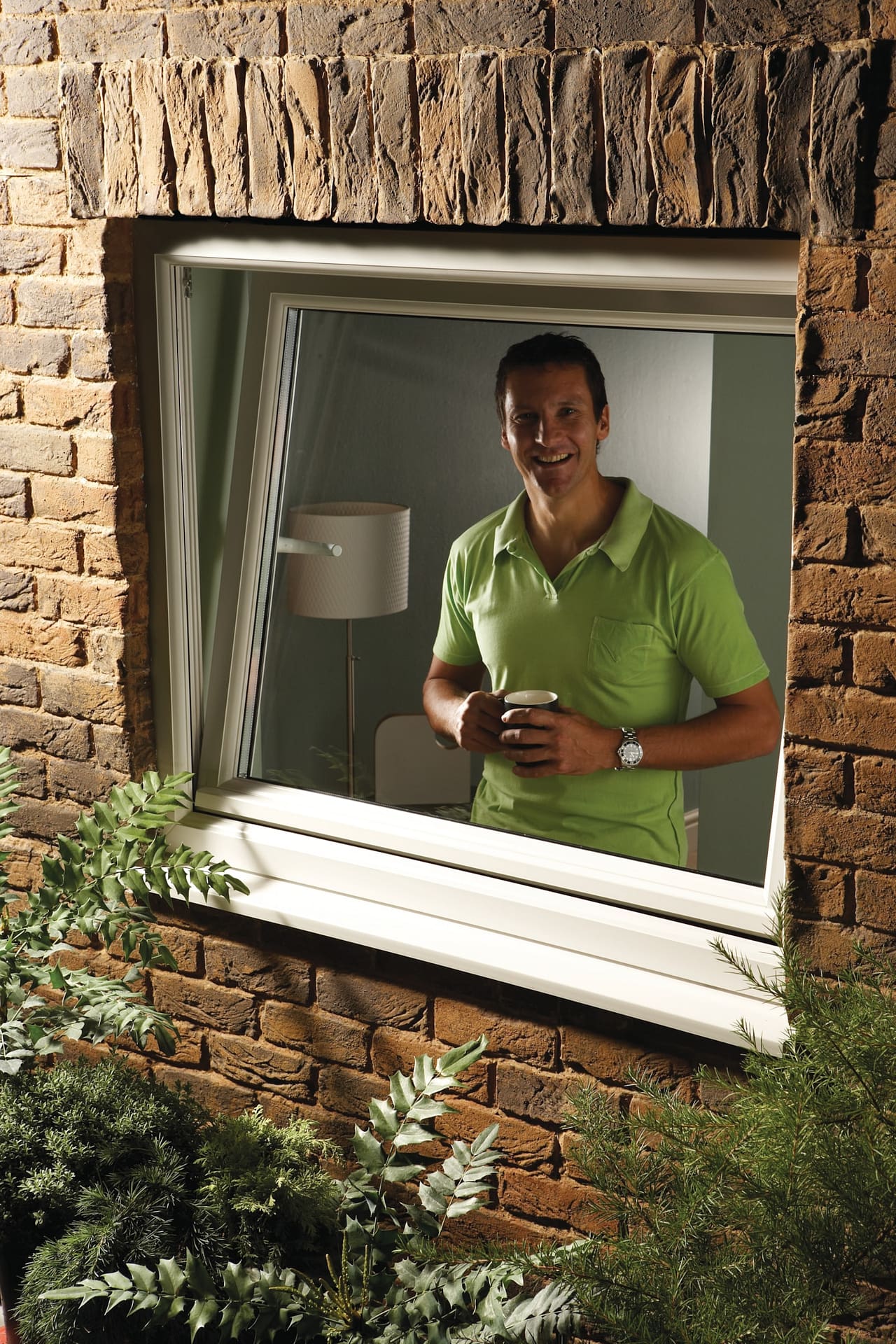
A tilt and turn window is a innovative dual-function window system that operates on two distinct axes.
When activated in “tilt mode,” the top portion of the window tilts inward while the bottom remains secured, creating a gap at the top. This configuration allows for controlled ventilation while maintaining security, as the opening is typically too small for intrusion. The tilting function also directs airflow upward into the room, creating efficient air circulation without direct drafts.
Alternatively, when operated in “turn mode,” the entire window swings inward like a door, providing full access to the window opening. This complete inward rotation offers maximum ventilation and creates an unobstructed opening that serves as an excellent emergency exit route if needed. Additionally, this feature makes cleaning the exterior glass surface remarkably simple, as both sides become accessible from inside the home.
A single handle controls the entire operation, with different positions activating either the tilt or turn function. This streamlined control mechanism makes these windows exceptionally user-friendly despite their technical complexity.
The control handle typically has three positions that correspond to different window states. When the handle points downward, the window is securely locked. This position engages multiple locking points around the frame, creating an airtight and highly secure seal. The multi-point locking system is a key feature that contributes to both the security and energy efficiency of these windows.
Rotating the handle to the horizontal position activates one of the opening functions. In traditional configurations, this position allows the window to swing completely inward on side hinges, similar to how a door opens. This “turn” function provides full access to the window opening, ideal for emergency exits or thorough ventilation on pleasant days.
Further rotating the handle to the vertical position engages the alternative opening function. The window tilts inward from the top while remaining secured at the bottom. This “tilt” position creates a gap at the top that allows for ventilation while minimising security risks and protecting against rain intrusion.
Tilt and turn windows and casement windows are both popular options, but they differ significantly in design and functionality. Tilt and turn windows are versatile, featuring a dual mechanism that allows the window to either tilt inward from the top for ventilation or swing fully inward like a door for easy cleaning. Casement windows, on the other hand, are hinged at the top and open outward. While casement windows are generally simpler and can be more cost-effective, tilt and turn windows offer added flexibility.
The dual-function design of these innovative windows offers numerous benefits that make them increasingly popular among homeowners seeking both practicality and contemporary style.
Enhanced ventilation flexibility stands out as a primary advantage. The tilt position allows for secure, controlled airflow even during inclement weather or when occupants are away from home. This feature enables homeowners to maintain fresh air circulation without compromising security. Meanwhile, the turn position provides maximum ventilation when desired, creating unobstructed airflow throughout the living space.
The multi-point locking mechanism secures the window at several points around the frame, making forced entry extremely difficult. Even when tilted open for ventilation, the limited opening and secure locking points prevent unauthorised access.
Child safety benefits make these windows particularly appealing to families. The tilt function allows for ventilation without creating openings large enough for children to climb through or fall out. Some models offer handles that can be locked in the tilt-only position, preventing children from fully opening the window while still allowing for fresh air circulation.
Proper installation is crucial for ensuring these windows perform as intended in terms of operation, security, and energy efficiency.
Professional installation is strongly recommended. Experienced installers understand the precise requirements for structural support, accurate positioning, and proper sealing that these windows demand. DIY installation attempts often result in operational problems, reduced security, and compromised energy performance.
Dual-function windows represent an innovative solution that combines versatility, security, and energy efficiency in one sophisticated package. Beyond their functional benefits, these windows are designed to enhance the aesthetic appeal of any property, offering a sleek, modern look while maintaining excellent thermal performance and robust security features.
At UK Doors Online, we offer a wide range of uPVC tilt and turn windows, crafted to meet the highest standards of quality and durability. Our selection allows you to choose the perfect style, finish, and configuration to suit your home, backed by expert advice and reliable service. Want to find out more? Give us a call today on 01924 929600.
If you’ve been researching aluminium windows and doors, you’ve probably come across the term thermal break. It’s a feature...
Large windows have become one of the most desirable features in modern homes, offering uninterrupted views, an abundance of...