

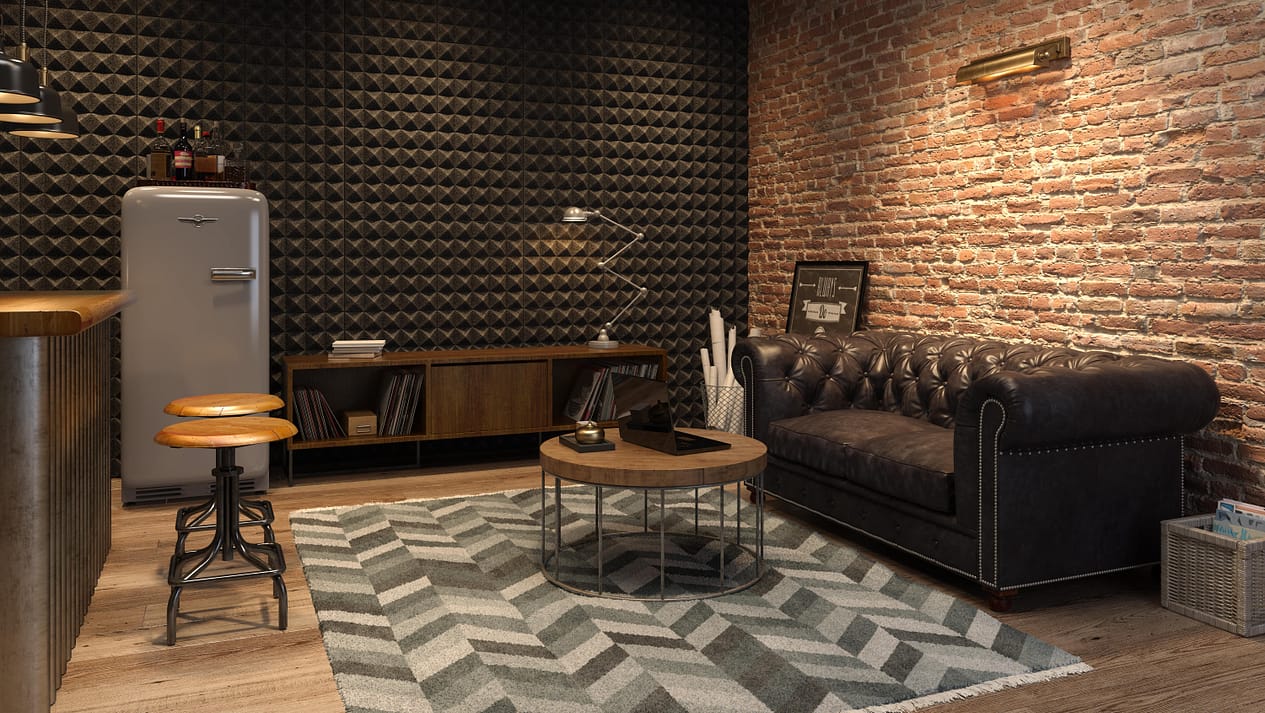
Whether you’re setting up a home studio, need a quiet space to work, or just want to keep noise from disturbing your household, soundproofing a room can be a game-changer. In our blog, we’ll explore the methods of how to soundproof a room or reduce external noise, with a variety of budget-friendly ideas in mind.
Before we look at ways to soundproof your home, it’s important we understand the basic needs when it comes to noise reduction.
Soundproofing involves two key principles:
Depending on the reasons of why you might be looking to create better sound quality in your property, you may need to look specifically for one type of soundproofing. Sound absorption is great to reduce noise of movement, such as a busy staircase or corridor. Sound blocking is great for blocking sound coming from outside a building such as a busy road. Whether you want noise control within your home through sound vibrations, or to add soundproofing materials to avoid noisy neighbours- there’s always a solution.
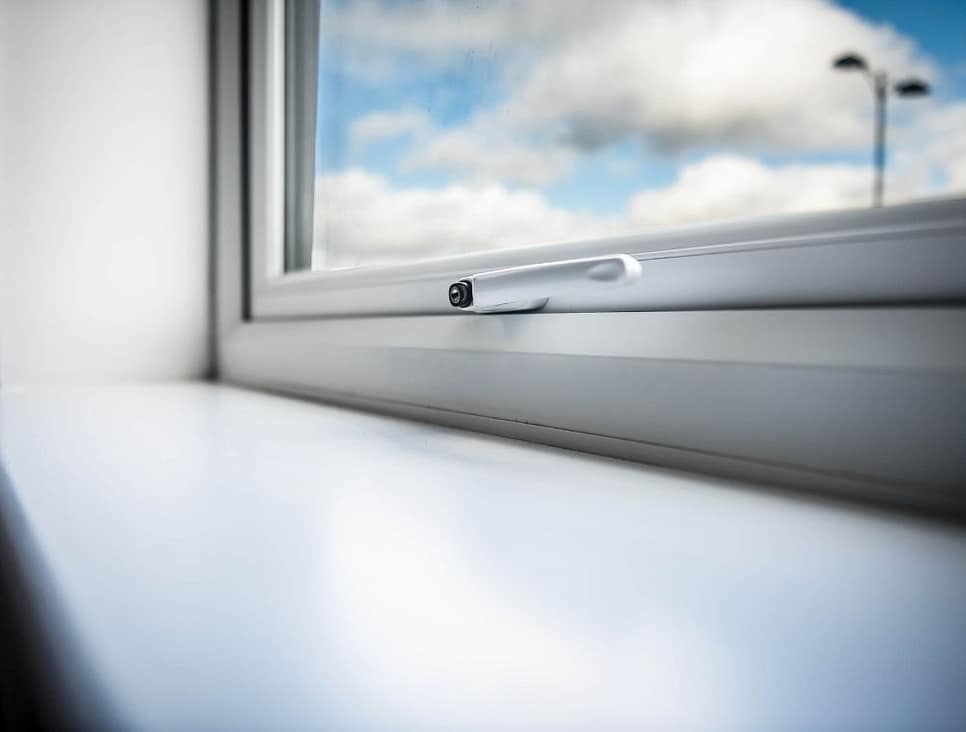
Even the smallest gaps can let noise in or out. Here’s how to seal them for better soundproofing.
Sometimes you may notice that your windows have a poor seal, in most instances this can be resealed. It’s important to also notice the signs that it’s time to replace your windows, however resealing is a great way not only to soundproof a space but to reduce draughts.

Older doors and windows are often built of materials that are either poor quality, or have weathered over time and are in need of replacement. With older materials such as wood, weathering may cause their seals to become worn, cracks to have formed and bowing to occur. In these instances, you may notice your home becoming slightly noisier, such as hearing road noise.
When replacing doors, it’s important to factor in the materials they are made of. Solid core doors such as composite doors are better at blocking sound out than hollow ones. If replacing a front, rear or side entrance door, upping your budget slightly for a strong, solid door like our composite doors will instantly improve your home’s soundproofing. UPVC doors can offer soundproofing benefits, however as their form is hollow, they won’t offer the same level of sound absorption or blocking.
If you have glazed doors and are looking to soundproof a room, opting for double or triple glazing will also provide a soundproofing barrier for your home. At UK Doors, all our glazed products come double glazed as standard, with the option to upgrade to triple glazing. Our bifold and sliding patio doors are an excellent addition when looking at ways to soundproof a room. If replacing your door isn’t an option, you can consider adding a soundproofing blanket or mass-loaded vinyl (MLV).
If looking to replace windows, acoustic glass is a great option for soundproofing a room. However, if replacing windows is impractical or too costly, heavy soundproof curtains can help reduce the noise within your home.
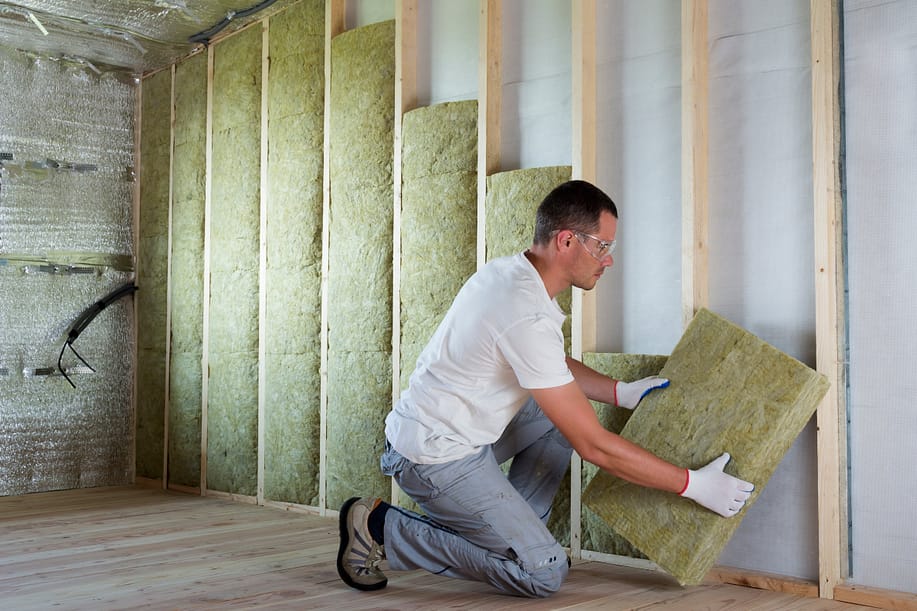
Understanding what your house is made up of is a good way of understanding opportunities to soundproof a room. By examining your walls, you may discover areas that could benefit from new or replaced insulation. Try adding the following types of insulation to improve sound absorption:
Acoustic Panels – Installing foam or fabric-covered panels helps absorb sound.
Mass-Loaded Vinyl (MLV) – Adding MLV behind drywall is a great way to increase sound resistance.
Extra Drywall Layers – Adding a second layer of drywall with Green Glue in between can dampen sound in areas that require it.
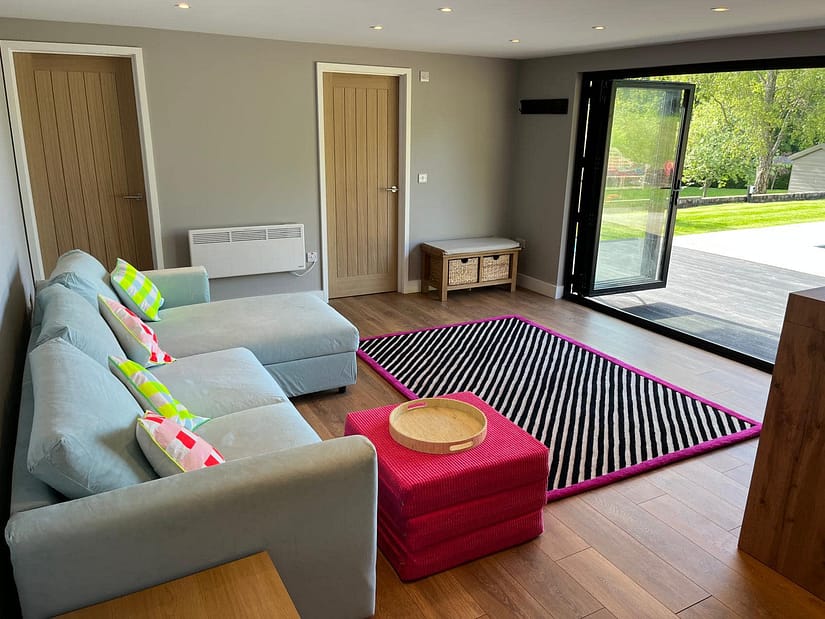
Adding sound-absorbing materials to the floor and ceiling can help to soundproof a room. Carpets and thick rugs are often used in order to absorb impact noise and airborne sound, and unlike wooden floors they make minimal noise when walked on. Placing an acoustic underlay beneath carpets can further reduce noise transmission, and is a relatively affordable way to improve soundproofing, rather than replacing the whole flooring. Ceiling and wall panels can also be used to help minimise noise from above, and can often come in smaller tile form to be dotted around a room. These are extremely popular in recording studios where controlling sound leakage is crucial.
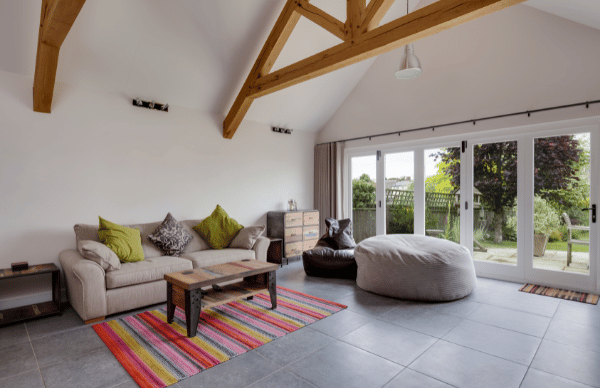
There are many different types of home decor which can contribute to the soundproofing of your home. Furniture like a filled bookshelf against a wall can act as a sound barrier, and minimise sound entering a room. Window dressings such as thick curtains, or both a blind and a curtain can help in absorbing sound. This is particularly beneficial in bedrooms that suffer with excess traffic noise. Upholstered furniture and soft surfaces can also be a good addition, not only for striking visual aspects but also for absorbing more sound than hard ones.
If complete soundproofing isn’t necessarily feasible, but noise is disruptive, you could invest in a white noise machine. Generally affordable, white noise machines or soundproofing apps can be a low-cost solution that mask unwanted sounds, creating a quieter atmosphere and more comfortable acoustic quality..
Soundproofing a room doesn’t have to be expensive or complex. By addressing key areas – doors, windows, walls, floors, and ceilings – you can significantly reduce unwanted noise. Whether you’re aiming for total silence or just a quieter space, implementing these strategies will make a noticeable difference.
Looking for new windows and doors to improve soundproofing, but need to stick to a low and affordable budget? UK Doors Online has everything you need. From glazed doors like bifold doors, french doors, and sliding patio doors, to composite doors and windows, everything is made-to-measure. With product options including colour, style and glass, our solutions don’t just soundproof a room but also increase visual appeal.
Our team are always on hand to help, and would be happy to advise you on the best solution for your project. Simply get in touch by calling us on 01924 929600, or email the team with your enquiry at info@ukdoorsonline.co.uk!
If you’ve been researching aluminium windows and doors, you’ve probably come across the term thermal break. It’s a feature...
Large windows have become one of the most desirable features in modern homes, offering uninterrupted views, an abundance of...