

Windows do far more than simply let light into your home. The right window style can improve ventilation, enhance security, increase energy efficiency and even transform the appearance of a property. When choosing replacement windows or specifying windows for a new-build project, homeowners often find themselves comparing two popular options: tilt and turn windows and casement windows.
Both styles offer excellent performance and are widely used throughout the UK, but they operate in very different ways. Understanding the differences can help you determine which option is best suited to your property, lifestyle and budget.
In this guide, we’ll explore the key differences between tilt and turn and casement windows, covering everything from operation and aesthetics to security, maintenance and energy efficiency.
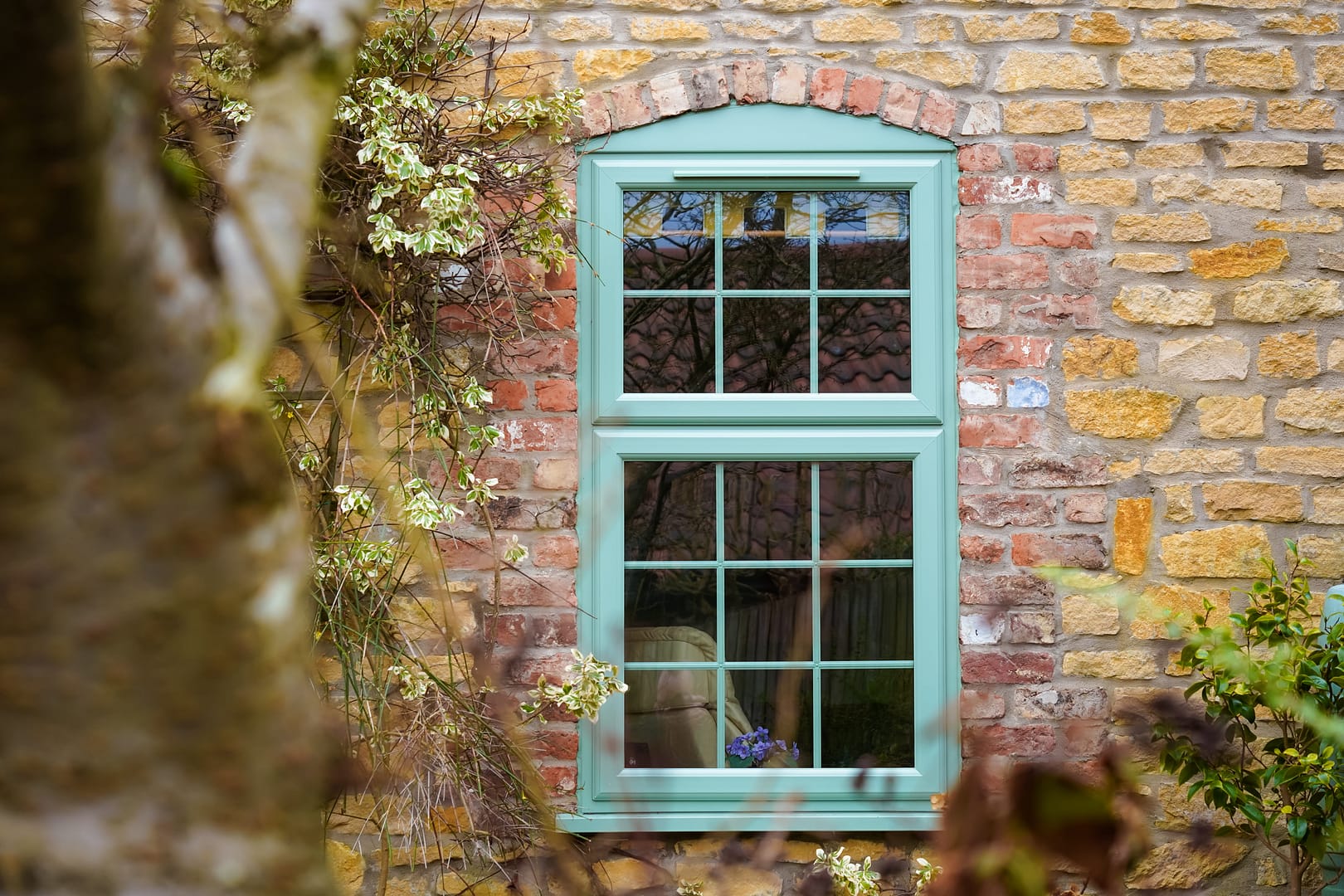
Casement windows are one of the most common window styles found in homes across the UK. They are attached to the frame by hinges positioned on the side, top or bottom and open outward using a handle.
Most modern casement windows open outwards from the side, allowing fresh air to enter the property while providing unobstructed views when fully opened.
Casement windows are available in a wide variety of designs, including:
Their versatility makes them suitable for both traditional and contemporary properties. At UK Doors Online, we offer casement windows in both aluminium and uPVC.
Tilt and turn windows originated in mainland Europe and are becoming increasingly popular in the UK, particularly in modern homes and apartment developments.
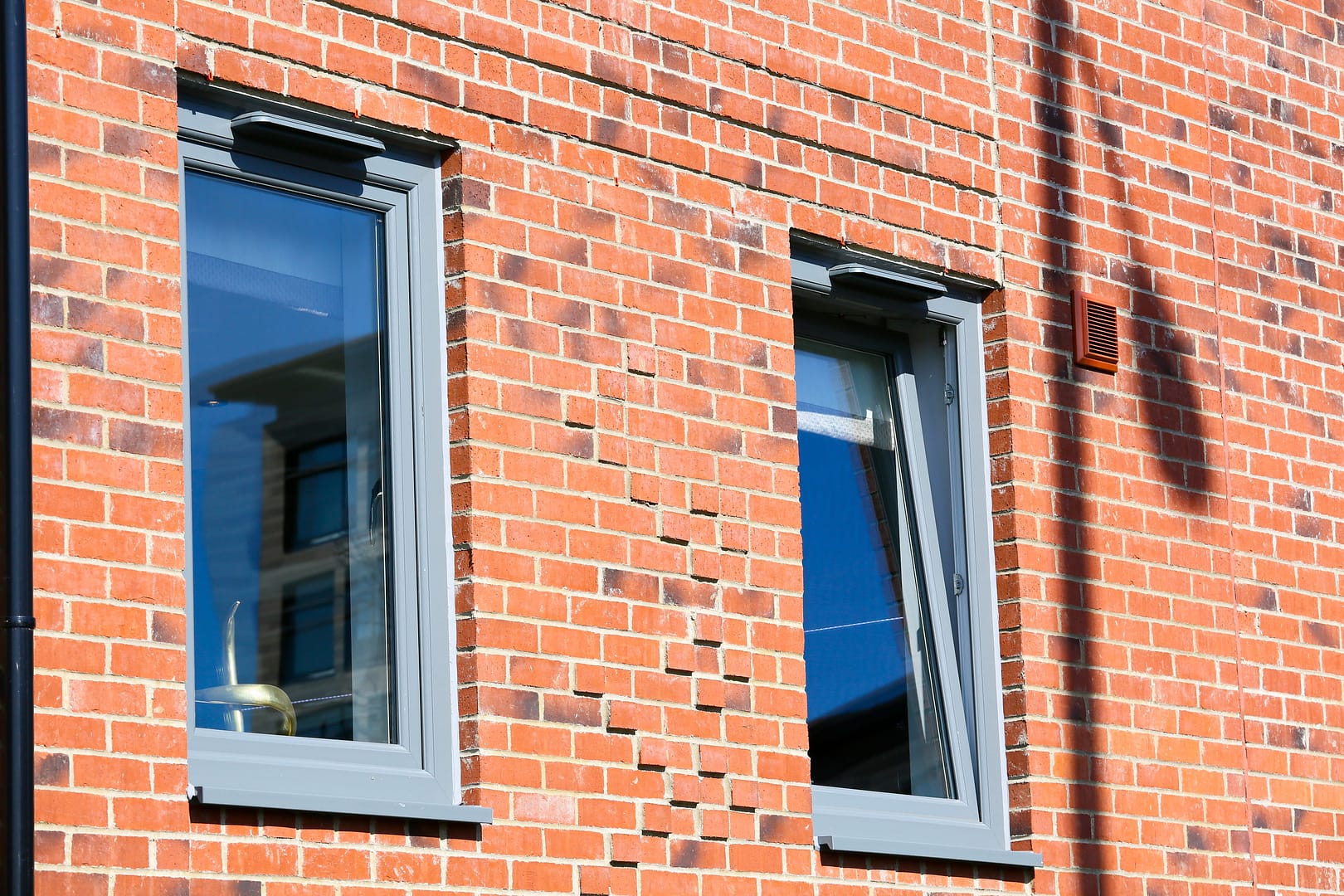
Unlike casement windows, tilt and turn windows feature a unique dual-opening mechanism. By turning the handle into different positions, the sash can either:
This versatile design offers homeowners more flexibility when managing ventilation and cleaning.
The ability to operate the window in two different ways is one of the main reasons tilt and turn windows continue to gain popularity.
Traditional casement windows open outward from the property.
Depending on the design, they may:
The outward-opening design helps maximise interior space because the sash does not project into the room.
Tilt and turn windows offer two opening positions.
In tilt mode:
In turn mode:
This dual functionality gives homeowners much greater control over airflow throughout the year.
Ventilation is one of the most important factors when choosing new windows.
Casement windows provide excellent ventilation when fully opened.
Because the entire sash opens outward, large volumes of air can enter the room quickly meaning you can enjoy fresh air quickly. This makes them particularly useful in kitchens, living rooms and conservatories where increased airflow may be desirable.
However, ventilation options are more limited. The window is generally either closed or open to varying degrees.
Tilt and turn windows provide more flexible ventilation control.
The tilt position allows fresh air to circulate continuously without fully opening the window.
Benefits include:
For many homeowners, the tilt mode provides a practical everyday solution, especially during autumn and winter months when opening a window fully may be less desirable.
Security is a key concern for any homeowner.
Modern casement windows offer excellent security features, including:
When manufactured to modern standards, casement windows provide strong protection against forced entry.
Tilt and turn windows are often considered among the most secure window styles available.
Their inward-opening design typically incorporates:
The tilt position is particularly beneficial because homeowners can continue ventilating the property while maintaining a high level of security.
For families looking for additional peace of mind, tilt and turn windows may offer a slight advantage.
With energy costs remaining a major concern, efficient windows are more important than ever.
Casement windows are known for excellent thermal performance.
When closed, the sash presses firmly against the frame, helping create an effective weather seal.
Benefits include:
Modern double and triple glazing can further enhance performance.
Tilt and turn windows are also highly energy efficient.
Their sophisticated hardware often creates an exceptionally tight seal when closed.
Combined with advanced glazing options, homeowners can achieve:
In most cases, both window styles can achieve excellent energy performance when manufactured using high-quality materials and glazing.
Ease of maintenance is another important factor.
Cleaning outward-opening casement windows can sometimes be more challenging, particularly on upper floors.
Homeowners may need:
For upstairs windows, reaching the exterior glass can be difficult.
This is where tilt and turn windows truly excel.
When opened fully in turn mode, both sides of the glass can be accessed from inside the property.
Benefits include:
This feature is particularly attractive for apartment owners and properties with multiple storeys.
The way a window opens can impact how you use the surrounding space.
Because casement windows open outwards:
However, exterior obstacles such as walls, pathways or landscaping may restrict opening.
Tilt and turn windows open inward when used in turn mode.
This means:
While this may not be an issue in larger rooms, it can sometimes influence design decisions in more compact spaces.
Aesthetics play a significant role when selecting new windows.
Casement windows are incredibly versatile.
They suit:
With numerous frame designs and configurations available, homeowners can easily match existing architectural styles.
Tilt and turn windows generally feature larger panes of glass and slimmer sightlines.
This creates:
They are particularly popular in modern homes and urban developments.
If you’re aiming for a sleek, architectural appearance, tilt and turn windows may be the preferred choice.

Families with young children often prioritise window safety.
While modern casement windows can include restrictors and child-safety features, a fully opened sash may present certain risks if left unsupervised.
The tilt function is often viewed as a safer ventilation option.
The restricted opening at the top allows air circulation while limiting access.
This provides:
For family homes, this can be a significant advantage.
Budget is naturally a major factor when choosing windows.
Casement windows are typically:
As a result, they are often the most cost-effective solution for many homeowners.
Tilt and turn windows generally cost more due to:
While the initial investment may be higher, many homeowners consider the added functionality worth the expense.
Both options work extremely well in contemporary properties.
However, tilt and turn windows are increasingly favoured for:
Their clean appearance and versatile operation align perfectly with modern living requirements.
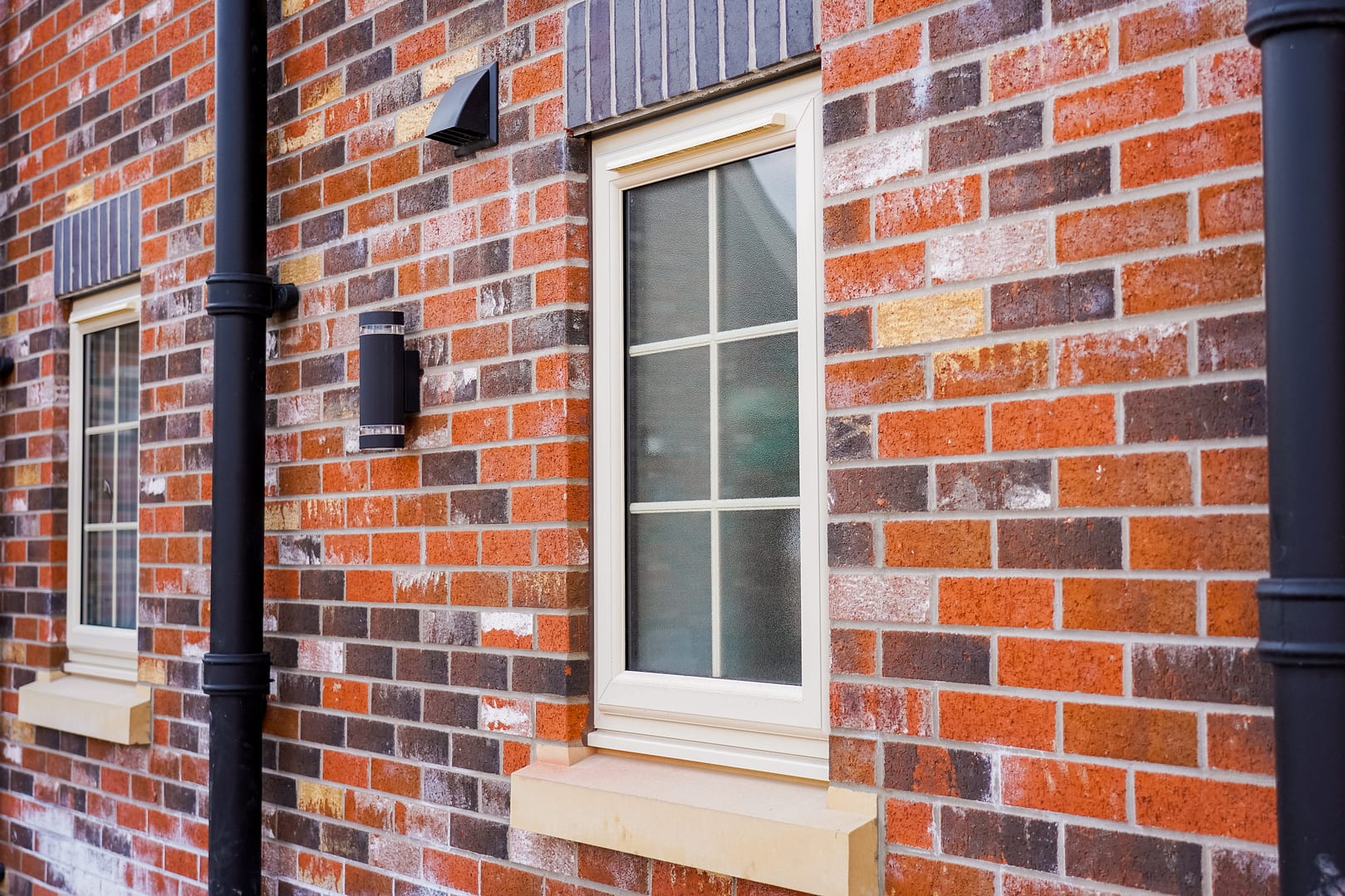
Casement windows remain the natural choice for many traditional properties.
They complement:
Flush casement windows, in particular, can closely replicate the appearance of traditional timber windows while offering all the benefits of modern materials.
When comparing tilt and turn vs casement windows, there is no universally “best” option. The right choice depends on your property’s style, your budget and how you intend to use the windows on a day-to-day basis.
Casement windows remain one of the UK’s most popular choices thanks to their versatility, affordability and wide range of design options. They suit virtually every property type and offer excellent energy efficiency, security and performance.
Tilt and turn windows, meanwhile, provide a modern alternative with enhanced functionality. The ability to both tilt and fully open inward offers superior ventilation control, easier maintenance and added convenience for homeowners.
At UK Doors Online, we offer a wide selection of high-quality windows to suit both contemporary and traditional homes. Whether you’re considering stylish casement windows or innovative tilt and turn designs, our expert team can help you find the perfect solution for your project, ensuring outstanding performance, security and aesthetics for years to come.
Windows do far more than simply let light into your home. The right window style can improve ventilation, enhance...
Many homeowners are familiar with standard windows and doors, whereas transom windows are a less commonly discussed feature that...