

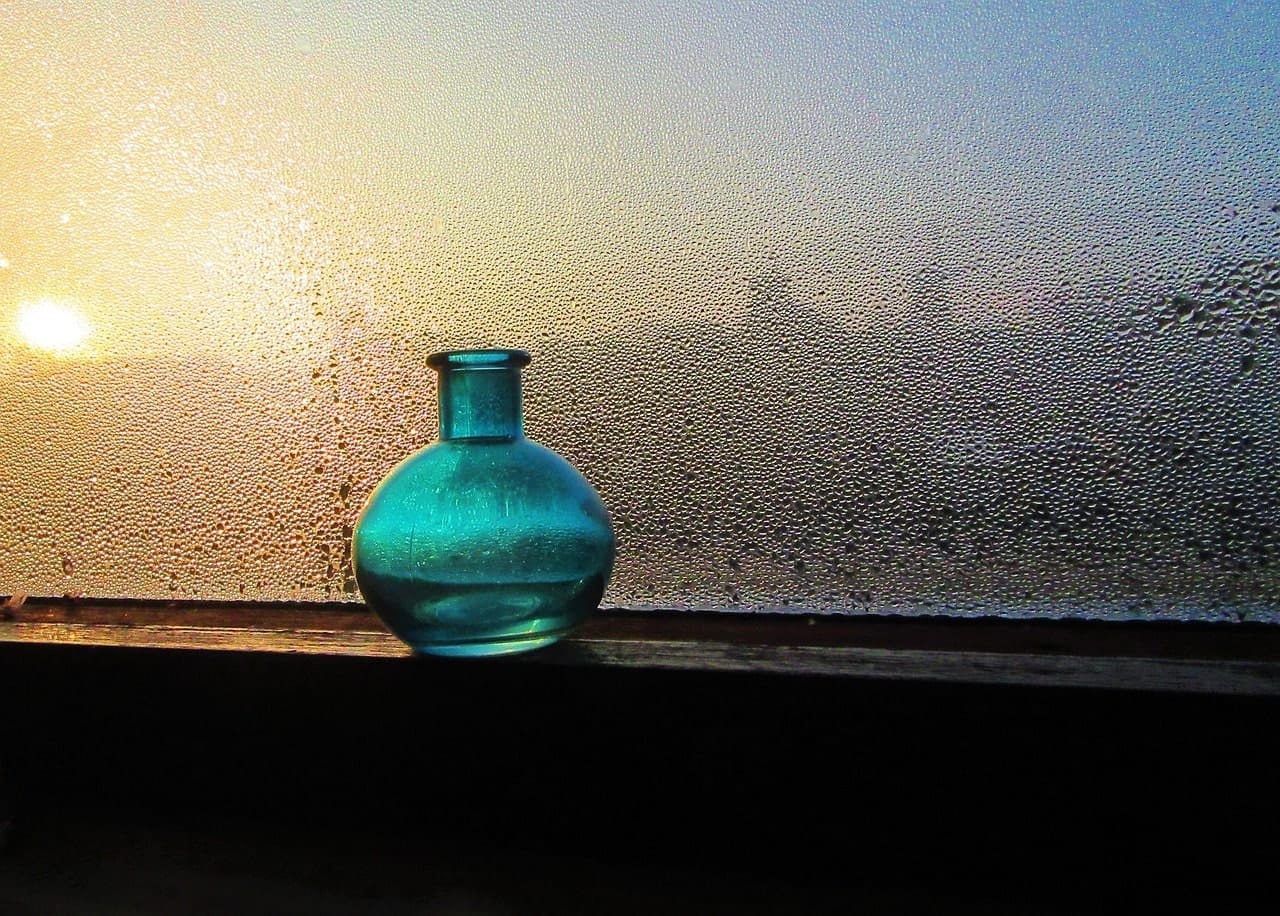
Dealing with condensation on windows can be a frustrating experience, leading to potential structural damage and even health concerns if left unchecked. Fortunately, by understanding the root causes of windows condensation and implementing effective strategies, you can bid farewell to this pesky problem and enjoy crystal-clear windows all year round.
Condensation forms when warm, humid air comes into contact with cooler surfaces, such as windows, causing the water vapour to condense into liquid droplets. This condensation forming is particularly prevalent during the colder months when the temperature differential between the inside and outside of your home is more significant, and moist air is more likely to release moisture onto cold surfaces. When warm, moist air cools down, it reaches its dew point, leading to the release of water onto the cold surface.
Several factors contribute to the formation of condensation on windows, here are the most common causes.
Everyday activities like cooking, showering and drying clothes indoors can significantly increase the moisture laden air within your living spaces.
Without proper air circulation, the humid air has nowhere to escape, leading to excessive moisture accumulation on cooler surfaces like windows. This problem is exacerbated in modern, well-insulated homes, which are designed to prevent air leakage.
Inefficient insulation can cause cold surfaces on walls and windows, creating the perfect conditions for water vapour to condense. Older, single-glazed windows, in particular, are more prone to condensation due to their lack of an insulating air gap.
Undetected water leaks, rising damp, or other structural problems can introduce excess moisture into your home, contributing to the formation of condensation on windows and other surfaces. If you are experiencing major leaks from your windows, you may want to explore your options of how to fix a leaking window, or get it replaced.
Prolonged exposure to moisture can cause wood to rot, paint to peel causing costly repairs or replacements in and around your home.
Damp surfaces provide an ideal breeding ground for mould and mildew, which can not only cause unsightly stains but also pose serious health risks, particularly for those with respiratory conditions or compromised immune systems.
Exposure to mould spores and the dampness associated with condensation can exacerbate respiratory issues, trigger allergic reactions, and even contribute to chronic conditions like asthma, rhinitis, and sinusitis.
So, now you should understand why condensation forms on your windows. But, how can you prevent condensation on your windows?
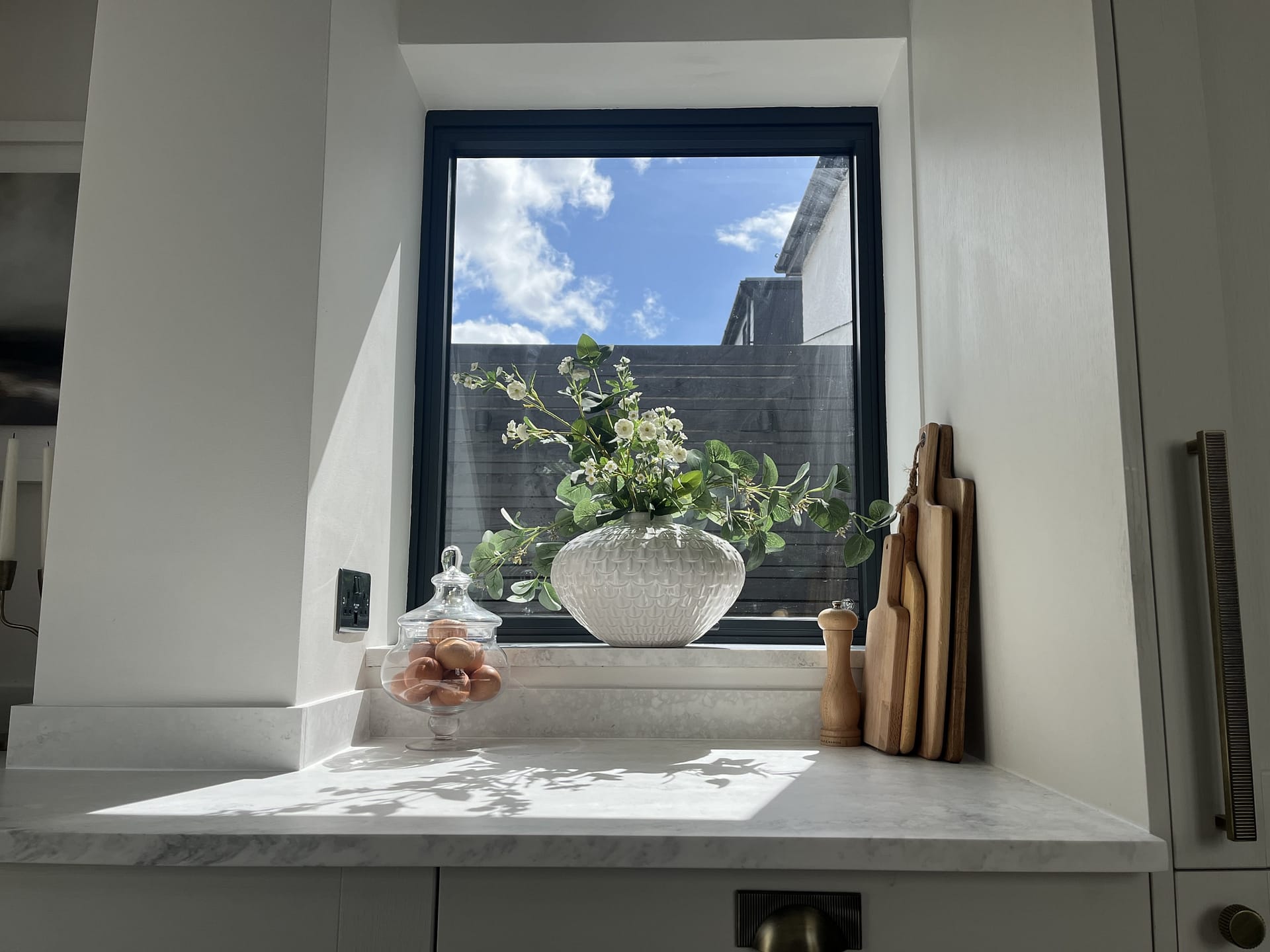
Preventing condensation on windows can be simple and easy. Here are some effective strategies to reduce condensation:
Increasing air circulation is crucial to preventing the buildup of warm air and subsequent condensation on windows.
While it may seem counterintuitive during colder months, opening windows and doors for short periods can help expel stale, humid air and introduce fresh air into your living spaces. The fresh air will help to stop condensation forming by creating healthier indoor air quality.
An extractor fan or dehumidifiers in high-moisture areas like bathrooms and kitchens can effectively reduce humidity before it has a chance to condense on surfaces.
Simple measures like keeping lids on pots while cooking, using extractor fans during showers, and closing bathroom doors can help contain water vapour in specific areas.
Whenever possible, opt for drying clothes outside or in a well-ventilated area. If you must dry clothes indoors, use a dehumidifier or open windows to allow the humid air to escape.
Promptly addressing any water leaks, rising damp, or other structural issues that could be introducing excess moisture into your home is crucial to preventing condensation. You may notice damp patches on external walls, as they absorb moisture from leaks such as from pipes.
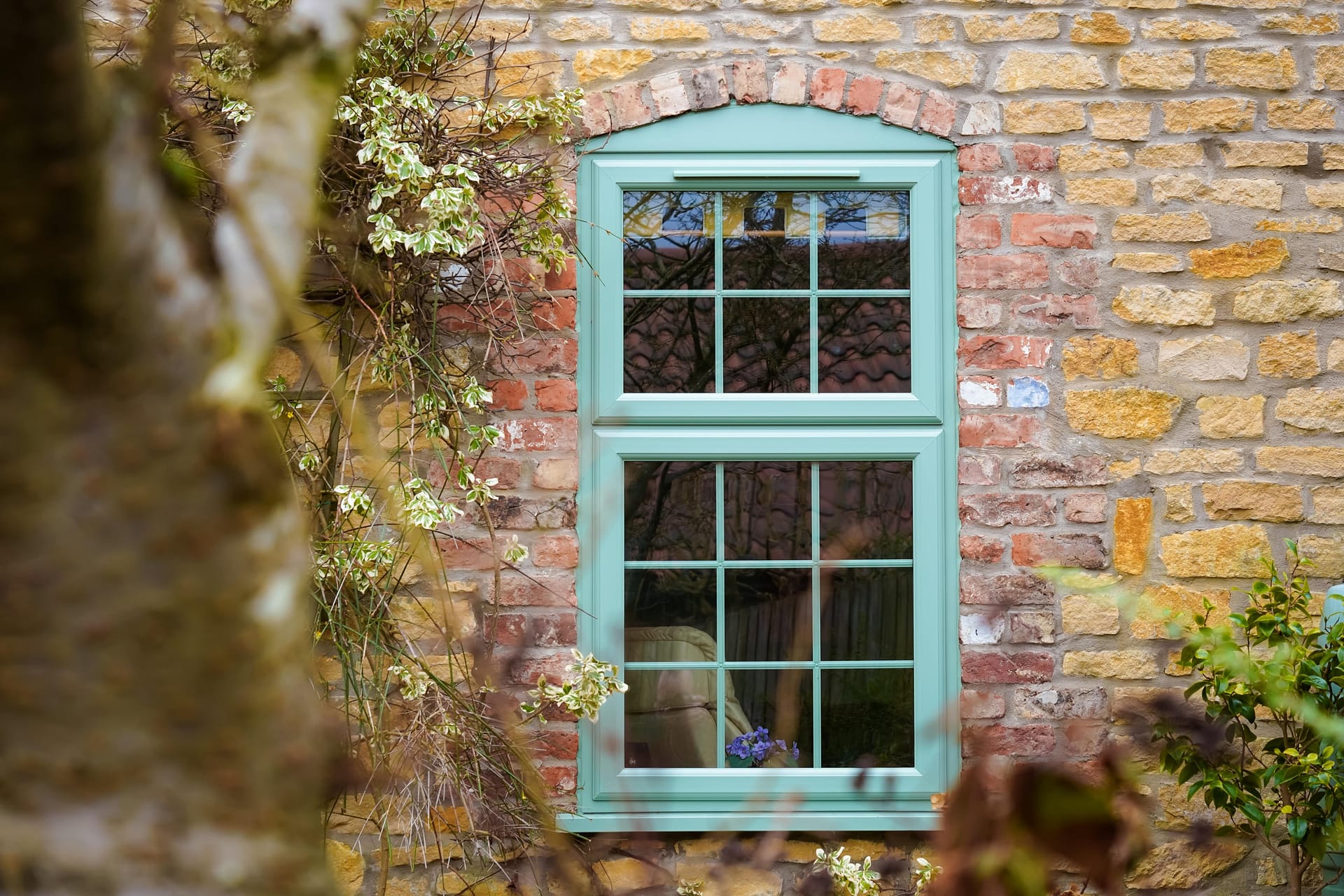
While improving ventilation and reducing moisture sources can alleviate condensation, upgrading to double glazed windows or triple-glazed windows can provide a more permanent solution. These windows feature an insulating air gap or inert gas between the panes. The gap helps maintain a consistent temperature and prevents the formation of condensation. At UK Doors Online, all of windows are available in double or triple-glazing, along with a range of other options. From aluminium windows to uPVC windows, we’ve got all of your home improvement needs covered.
In cases of persistent or excessive condensation problems, seek professional assistance from a qualified contractor or building specialist. They can provide expert guidance and recommend tailored solutions for your specific situation.
By implementing these strategies and maintaining a proactive approach, you can effectively combat condensation on windows. This will also help safeguarding the structural integrity of your home,promoting a healthy indoor environment for your loved ones.
If you’ve been researching aluminium windows and doors, you’ve probably come across the term thermal break. It’s a feature...
Large windows have become one of the most desirable features in modern homes, offering uninterrupted views, an abundance of...